
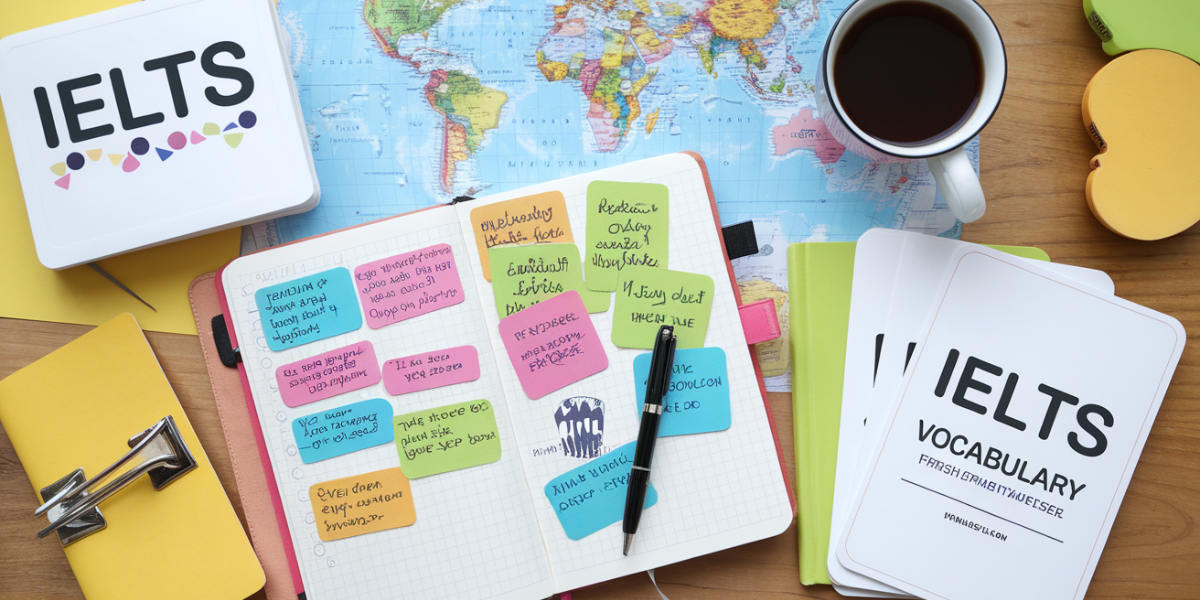
Preparing for the IELTS exam can feel overwhelming, especially when you’re aiming for a specific score that can open doors to study or work opportunities abroad. Many candidates spend weeks or even months studying, but still fall short of their target band. The problem often lies not in their effort but in making small yet costly mistakes during preparation. Avoiding these common IELTS mistakes can make your journey smoother and more rewarding.
5 Common IELTS Mistakes You Should Avoid
When it comes to overall preparation, many people fall into patterns that waste time and effort. These general IELTS mistakes often stem from rushing in without a solid plan. Let’s look at five key ones to steer clear of.
1. Not Planning Your Study Schedule
One huge error is jumping in without a clear timeline. You might think you have plenty of time, but the exam sneaks up fast. Students who cram at the last minute end up burned out and forget key stuff. Instead, map out your weeks and create a proper timetable that balances all four sections. This helps maintain stability and builds confidence.
2. Ignoring the Test Format
Another slip is not getting familiar with how the test works. The IELTS has specific question types, timing, and rules, and skipping this means surprises on test day. For instance, if you don’t know the difference between academic and general training, you might practice the wrong things. Take time to review official guides or sample tests to understand the setup.
3. Relying on Memorized Answers
Many test-takers attempt to memorize responses, particularly for speaking or writing. But examiners spot this a mile away, and it hurts your score because it lacks natural flow. Real preparation involves understanding topics and practicing spontaneous replies. This way, you demonstrate genuine skills rather than relying on rote learning.
4. Neglecting Balanced Practice
Focusing too much on one section while ignoring others is a classic blunder. Perhaps you’re skilled at reading but struggle with listening, so you skip over the challenging parts. This leads to uneven scores. Aim for daily practice across all areas to build well-rounded abilities.
5. Skipping Feedback and Review
Finally, not reviewing your practice tests or getting input from others is a missed chance. You might repeat the same errors without realizing. Seek out teachers or online forums for honest critiques to pinpoint areas for improvement.
If you’re looking for structured help, consider checking out reputable training institutes in Abu Dhabi, such as Al Manal Training Center, for local support that can guide you through these hurdles.
Mistakes in Specific IELTS Sections
Beyond general preparation, each part of the exam has its own pitfalls. Let’s break them down so you can spot and sidestep them.
1. IELTS Reading Mistakes
Typical IELTS reading errors often come from poor time management or misreading questions. One big issue is reading every word slowly instead of skimming for main ideas and scanning for details. This eats up your 60 minutes, leaving questions unanswered.
Another is ignoring instructions, such as word limits for answers, which can result in lost points. Additionally, guessing without evidence or overlooking synonyms in the text can trip people up.
These IELTS reading mistakes are fixable with practice in quick comprehension techniques.
2. IELTS Listening Mistakes
Missteps in the IELTS listening part include losing focus during the audio, especially in more challenging sections with accents or rapid speech. Many don’t predict answers while reading questions beforehand, leading to missed info. Distractors, such as changed details in the recording, also fool test-takers. Spelling errors and not transferring answers correctly are also common.
To avoid these IELTS listening mistakes, train with varied audio and note-taking habits.
3. IELTS Speaking Mistakes
Speaking can be nerve-wracking, and IELTS speaking mistakes, such as giving short yes/no answers without explanation, can lower your fluency score. Overusing fillers, such as “um” or repeating words, indicates a limited vocabulary. Going off-topic or memorizing speeches makes responses sound unnatural. Pronunciation issues, especially with stress and intonation, are frequent too.
Practice speaking aloud on diverse topics to dodge these IELTS speaking mistakes and sound more confident.
4. IELTS Writing Mistakes
Writing demands structure, but writing issues in IELTS often involve unclear positions or off-topic essays. In Task 2, not using enough paragraphs or mixing ideas confuses readers. Grammar slip-ups, such as subject-verb agreement errors, tense inconsistencies, or run-on sentences, can hinder coherence. Limited vocabulary and spelling issues pop up a lot, as does ignoring word counts.
These IELTS writing mistakes can be spotted in practice drafts with self-edits.
Tips to Overcome These Mistakes
- Start with a plan: Set weekly goals for each section and track your progress in a journal to stay organized and on track.
- Know the format: Use official IELTS materials for regular mock tests. Time yourself and review every answer.
- Avoid memorization: Build real vocabulary and grammar skills through reading, watching videos, and practicing paraphrasing.
- Balance study time: Rotate between sections daily and focus more on weaker areas based on your results.
- Get feedback: Join study groups or hire a tutor for focused help with essays or public speaking.
- Reading tip: Skim headings and underline keywords to locate answers faster.
- Listening tip: Predict possible answers and listen for synonyms or related phrases that confirm your understanding.
- Speaking tip: Record your answers, identify filler words or off-topic drifts, and include specific examples to enhance clarity.
- Writing tip: Plan essays before writing, use varied sentence types, and proofread carefully for grammar and structure.
Incorporate these into your routine, and you’ll see scores climb. Remember, consistency beats intensity every time.
Bottom Line
Prepping for IELTS doesn’t have to be a nightmare if you sidestep these traps. By recognizing common IELTS mistakes in preparation and applying fixes, you’re setting yourself up for a stronger performance. It’s all about smart practice, staying focused, and learning from slip-ups. In the end, this exam tests fundamental skills, so approach it with patience and you’ll come out ahead.
Every great score begins with the right training. Begin your IELTS course in Abu Dhabi at Al Manal Training Center and take a step closer to achieving your goals.