
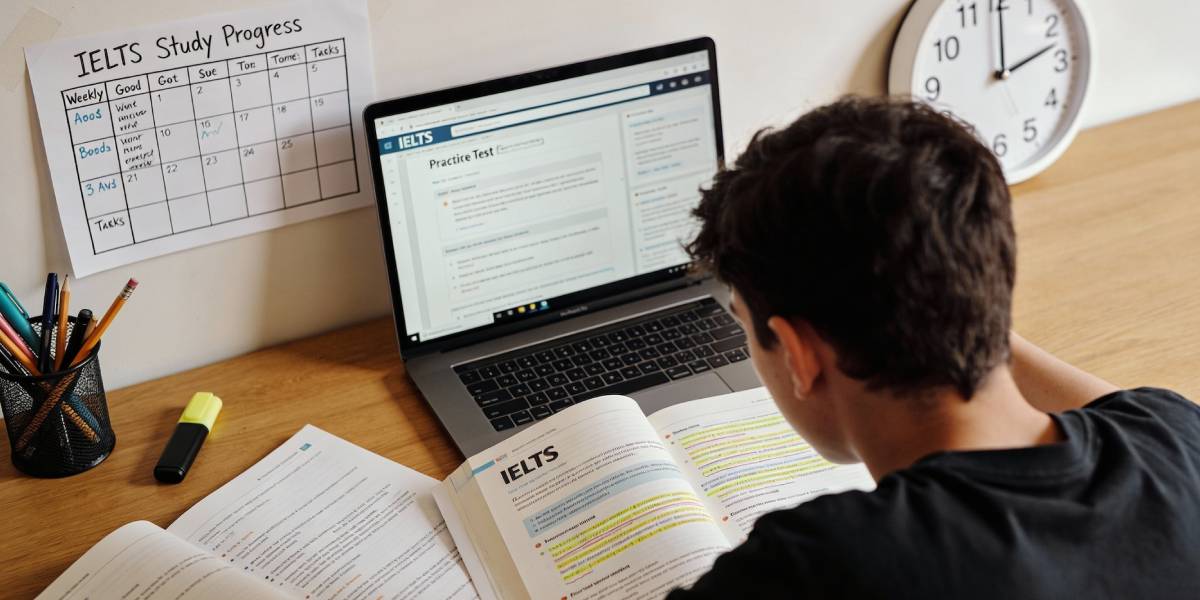
IELTS opens doors to study abroad, work opportunities, or immigration. Most people jump in blindly, either cramming everything in the last four weeks and burning out, or stretching thin practice over a year and losing momentum. The truth is, the perfect amount of time and the right structure depend entirely on your current English level, target band score, and how many hours you can truly commit each week. Getting this foundation right changes everything.
Understanding How Much Time IELTS Preparation Really Needs
Every learner begins at a different level. Some already feel comfortable with English, while others need consistent practice across all four skills. IELTS preparation time depends on current ability, target band score, and daily availability.
It isn’t a fixed number. It’s a direct reflection of where you begin. The most effective plans are built on an honest assessment of your current skills, which generally fall into three broad categories:
-
The Foundation Builder: Starting from the Basics
If English is not a language you use regularly, and concepts like essay structure or formal listening passages feel quite new, your path will be more comprehensive. You are not just learning test strategies; you are building core language skills.
For this learner, a longer timeframe of four to six months is often necessary and recommended. This allows for steady vocabulary growth, grammar practice, and gradual exposure to the test’s format without rush or panic.
-
The Skill Refiner: Strengthening Existing Competence
This describes someone who can handle everyday conversations and understands general English well, but may lack practice with academic texts or formal writing. You understand the language but need to adapt your skills to the specific demands of the IELTS.
A focused preparation period of two to three months is typically ideal. This time is used efficiently to master test techniques, refine writing tasks, and build speed and accuracy in reading and listening.
-
The Confidence Polisher: Aiming for High Band Precision
This is the learner who is already very comfortable using English in complex discussions and can write analytically. The goal is often a Band 7.5 or above, requiring precision and subtlety. For them, preparation is about fine-tuning and acclimatization.
A shorter, intense review period of six to eight weeks is usually sufficient. This time is best spent on high-level practice, understanding nuanced grading criteria, and eliminating minor, repetitive errors under timed conditions.
Regardless of where you see yourself, your plan must start with data, not a guess. Taking a full, official practice test under exam conditions is non-negotiable. That score report tells you exactly what to work on, making your IELTS preparation time focused and effective from day one.
Why Structure Matters More Than Motivation
Motivation comes and goes. Structure stays. A clear IELTS study plan helps learners remain steady during low-energy days. Without structure, preparation feels scattered, and progress remains unclear.
A strong plan breaks study sessions into listening, reading, writing, and speaking. Each area receives fair attention across the week. Mock tests, error review, and vocabulary practice also earn space. Learners following a structured plan often notice faster improvement because effort aligns with exam demands. Random practice rarely produces reliable scores.
Crafting Your Personal IELTS Preparation Guide
The preparation begins with understanding how the exam works and what it expects. This section helps build clarity, confidence, and direction before moving into deeper preparation details.
-
Set a Clear Target Score
According to Antoine de Saint-Exupéry, “A goal without a plan is just a wish.”
This is where your IELTS study guide becomes your best friend. It’s the blueprint that turns your available weeks into actionable steps. A target band score guides every decision. It influences the depth of practice, the range of vocabulary, and the grammar focus. Without a target, preparation lacks direction.
-
Assess Current Skill Level
Don’t start blind. Take one official practice test under timed conditions. This diagnostic is your truth-teller. It will show you exactly which sections are your allies and which are your opponents. Maybe your listening score is great, but your essay structure is holding you back. This test provides the data you need to allocate your time effectively. This step shapes the entire IELTS preparation plan.
-
Create a Weekly Study Structure
A good preparation structure brings balance and tracks your progress, so you can see how far you’ve come. Weekly planning reduces mental load. Assign specific days for each skill and reserve one day for revision and practice tests. This routine keeps learning balanced and stress-free.
-
Manage Time without Burnout
Long study hours often lead to fatigue, reduced focus, and careless mistakes. After a certain point, the brain stops absorbing information effectively, even if the learner keeps sitting with books or screens. Short, focused study sessions help learners stay sharp as they work on specific IELTS skills, such as task achievement, coherence, and time management.
-
Seek Professional Assistance
Professional guidance plays an important role at this stage. Expert instructors help organize study time, identify weak areas quickly, and correct errors that self-study often misses. Structured support keeps preparation realistic, balanced, and consistent, reducing stress and preventing burnout. With the right assistance, learners stay focused, confident, and productive throughout the IELTS preparation process.
Enrolling in our IELTS course in Abu Dhabi at Al Manal Training Center provides expert feedback, structured lessons, and exam-focused strategies that self-study often lacks.
The Practical IELTS Study Guide: Tips for Successful Results
Here are some basic tips to weave into your routine:
- Listen to news reports or academic talks daily to train your ear for different accents.
- Read a variety of English texts, from articles to short reports, noting useful phrases.
- Practice writing task responses by hand to build speed and muscle memory.
- Record yourself answering speaking questions to hear your own fluency and pronunciation.
- Review your grammar notes, focusing on tenses and article usage, as well as common writing pitfalls.
- Learn new vocabulary in thematic groups, such as education, environment, or technology.
- Always time your practice sessions to build the pace you will need on test day.
Bottom Line
Effective preparation hinges on smart planning and steady action. The journey requires commitment, but with a clear map in hand, you know exactly where you’re going and how you’ll get there. By setting a realistic timeline and building a structured, personalized IELTS preparation guide, you take control of the process.
If you’re looking for expert guidance to build that perfect plan, consider connecting with the professionals at Al Manal Training Center. Alongside IELTS support, we offer comprehensive courses for the GRE in Abu Dhabi , helping students gain confidence, improve their skills, and achieve their target scores efficiently.