
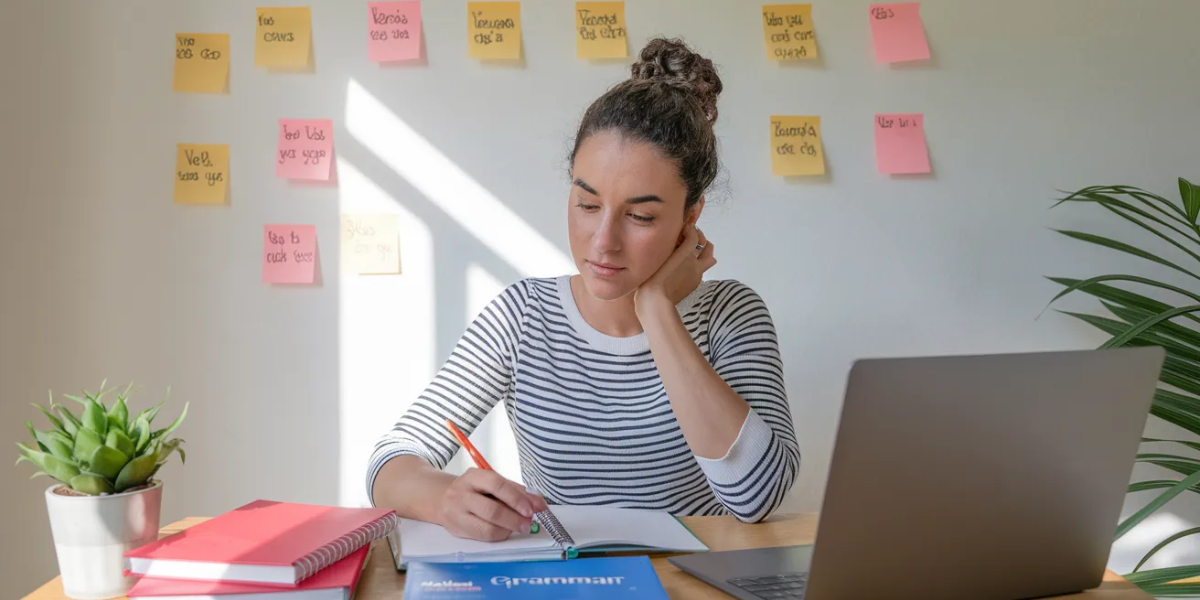
Learning Spanish feels exciting at the beginning. You pick up greetings quickly, recognize familiar words, and feel proud of forming simple sentences. Then grammar rules appear, verb charts grow longer, and conversations move faster than expected. Many beginners hit this stage and assume they are not good at languages. That is rarely true. Most learners simply fall into predictable patterns that slow their progress.
By understanding the most common Spanish mistakes, you can correct them early, build confidence, and develop strong habits that support long-term fluency.
Why Beginners Struggle More Than They Expect
Spanish is considered one of the easiest languages for English speakers, but that label can be misleading. The structure is different enough to cause confusion, especially in the early stages. Many learners underestimate grammar rules, overestimate the importance of memorizing vocabulary, and hesitate to speak out loud. These habits lead to repeated common errors in learning Spanish that could easily be avoided with better strategies.
Here are a few patterns that create problems:
- Translating directly from English instead of thinking in Spanish
- Ignoring verb conjugation patterns
- Avoiding speaking practice out of fear
- Memorizing vocabulary without context
- Forgetting noun-gender agreements
Recognizing these issues early is one of the most practical tips when learning Spanish. Once you know what to watch for, improvement becomes much faster and far less frustrating.
Grammar Mistakes That Slow Down Progress
Grammar is the backbone of Spanish. Without a clear understanding of structure, communication becomes confusing. Many beginners repeat the same mistakes in Spanish learning because they try to rush past fundamentals.
A strong foundation makes everything easier later. Let’s break down the most frequent grammar-related problems.
Confusing Ser and Estar
English uses one verb for “to be,” but Spanish uses two. Beginners often mix them up.
Ser describes permanent traits
Estar describes temporary conditions or locations
Incorrect: Ella es cansada
Correct: Ella está cansada
Incorrect usage here is one of the most common Spanish learning mistakes.
Ignoring Verb Conjugations
Saying “yo hablar” instead of “yo hablo” immediately signals beginner-level Spanish. Verbs must match the subject.
Practicing regular and irregular verb charts daily reduces many common errors in Spanish.
Misusing Past Tenses
Spanish has multiple past tenses, including preterite and imperfect. Beginners often use only one or mix them randomly.
For example:
“Yo fui” and “Yo iba” both mean “I went,” but they describe different situations. Yo fui” means “I went,” while “yo iba” means “I was going” or “I used to go.”
Learning when to use each tense prevents confusion in storytelling.
Forgetting Gender Agreement
Nouns have gender, and adjectives must match.
Incorrect: El casa blanca
Correct: La casa blanca
This small detail makes a big difference in sounding natural.
Dropping Subject Pronouns Incorrectly
Spanish often drops subject pronouns because verb endings indicate who is speaking.
Instead of saying “Yo hablo” every time, simply say “Hablo.” Overusing pronouns can sound unnatural.
Learning Habits That Create Long-Term Problems
Beyond grammar, certain study habits can create repeated mistakes in Spanish. Many beginners do not realize that how they study matters just as much as what they study.
Improving your learning approach can eliminate many recurring errors.
Relying Only on Apps
Apps are helpful for vocabulary and repetition, but they rarely teach real conversation flow. Without live speaking practice, learners freeze in real situations. Combine digital tools with speaking practice to avoid this trap.
Avoiding Speaking Out Loud
Fear of embarrassment keeps many learners silent. However, speaking regularly is essential. Recording your voice, joining language groups, and practicing with partners builds confidence. These are practical tips when learning Spanish that deliver real results.
Memorizing Words without Context
Learning random vocabulary lists does not create fluency.
Instead of memorizing “comer,” learn phrases like:
“Quiero comer ahora”
“Vamos a comer juntos”
Context improves recall and reduces awkward phrasing.
Comparing Yourself to Others
Progress is personal. Comparing your journey to advanced speakers creates frustration and discouragement.
Neglecting Listening Practice
If you only study written material, native-speed conversations will feel overwhelming. Listening to podcasts, interviews, and Spanish-language shows trains your ear naturally and reduces misunderstandings.
Ready to start speaking Spanish with confidence? Join Al Manal Training Center for structured lessons guided by experienced instructors. Our programs focus on practical learning and steady improvement. In addition to Spanish classes, we also provide German courses in Abu Dhabi for students interested in expanding their language abilities.
Quick Reference Guide to Beginner Errors
The table below summarizes frequent common Spanish mistakes and how to fix them efficiently.
| Common Error | Why It Happens | Example of Mistake | Correct Form | Fix Strategy |
| Direct translation | Thinking in English | Soy 20 años | Tengo 20 años | Learn phrases, not single words |
| Wrong verb ending | Skipping conjugation practice | Yo hablar | Yo hablo | Practice verb charts daily |
| Ser vs estar confusion | Only one “to be” in English | Ella es feliz hoy | Ella está feliz hoy | Memorize rule-based differences |
| Gender mismatch | Guessing articles | La problema grande | El problema grande | Learn nouns with articles |
| Poor pronunciation | Avoiding speaking | Rolled r missing | Perro pronounced correctly | Practice aloud consistently |
Reviewing tables like this regularly helps prevent repeated common errors in Spanish.
Practical Strategies for Faster Improvement
Avoiding mistakes is not about perfection. It is about consistent correction. If you focus on steady progress, you will naturally reduce the number of repeated mistakes in Spanish.
Here are effective strategies that work:
- Study daily in short, focused sessions
- Practice verb conjugations actively, not passively
- Speak from the first week
- Listen to native content regularly
- Review grammar mistakes immediately
Applying these tips when learning Spanish builds long-term confidence. Over time, you will notice that the errors you once made frequently begin to disappear.
Bottom Line
Every beginner makes errors. That is normal. The key difference between frustrated learners and successful ones is awareness. Once you recognize the most common Spanish learning mistakes, you can correct them before they become habits. Grammar fundamentals, consistent speaking practice, and structured learning make a measurable difference. Stay patient with yourself, and focus on daily improvement rather than perfection. With the right guidance and consistent effort, fluency becomes a realistic and achievable goal.
If you are looking for structured language programs and professional support, Al Manal Training Center offers expert-led courses designed to strengthen communication skills. In addition to Spanish support, we also offer specialized programs, such as IELTS training in Abu Dhabi, to help learners achieve academic and professional language goals with confidence.