
Launch Your Cybersecurity Career
Launch Your Cybersecurity Career CompTIA Security+ Training
Get In Touch
Expert Instructor Guidance
Hands-On Practical Training
Real-World Skill Development
Career-Focused Learning
Key Benefits of Our Comprehensive Training Program

- It helps you identify potential security threats and vulnerabilities across networks, systems, and applications.
- You will understand essential network security principles and practical risk management techniques to protect systems and data from cyber attacks.
- The CompTIA Security+ certification enhances your resume, strengthening your career prospects and opening up career opportunities.
01.Achieve Career Success in Cybersecurity
- Increase your chances of high-paying IT jobs
- Stand out among applicants with official certification
- Expand knowledge in security protocols and practices
02. Hands-On Learning Approach
- Practical exercises included
- Realistic lab scenarios
- Immediate skill application



Why Choose the CompTIA Security+ Course at Al Manal Training Center
Earning the CompTIA Security+ certification provides a globally recognized credential in IT security. This certification proves your ability to identify and address threats, manage network security, and apply risk management techniques. Completing the course prepares you for entry-level cybersecurity roles while enhancing your credibility among employers. By learning practical skills in real-world scenarios, you gain confidence in handling professional challenges. This certification is ideal for IT professionals aiming to strengthen their career path in security and network management. You can also explore in-demand skills through our comprehensive academic diploma courses in Abu Dhabi, guided by expert instructors.

Career Opportunities after Certification
- Completing this course prepares you for entry-level security analyst roles, where you will manage threats and vulnerabilities.
- You gain knowledge to work as a network administrator, implementing security measures and monitoring systems effectively.
- The program equips you for IT consultant roles, advising enterprises on security practices and risk mitigation strategies.
Master Practical Cybersecurity Skills
We focus on building real-world cybersecurity expertise, equipping students with the confidence to tackle everyday IT security challenges. Hands-on labs and interactive exercises ensure that learners gain practical experience while developing problem-solving skills, making them immediately ready for professional environments. The program emphasizes teamwork, critical thinking, and adapting to evolving threats, allowing students to apply their knowledge effectively in different scenarios. Personalized guidance from certified instructors ensures every participant develops the skills necessary to excel in modern IT security roles.

Exam-Oriented Content Provided
The CompTIA Security plus course thoroughly covers all exam objectives, preparing students for the real-world certification requirements.

Understanding Key Concepts
Students learn critical security concepts, network management, and risk strategies to handle exam questions confidently.

Effective Test-Taking Strategies
Learn practical techniques to approach multiple-choice and performance-based questions efficiently for maximum exam success.

Mock Tests for Readiness
Practice exams simulate real testing conditions, helping students evaluate their preparedness and identify areas that need improvement.
Course Content Overview
Security Fundamentals and Network Concepts
The CompTIA Security plus training begins by providing a comprehensive understanding of threats, attacks, and vulnerabilities in modern IT environments. Students explore network architecture, learning how devices and systems communicate and how to secure them against unauthorized access. Protocols and configurations are explained in detail to ensure proper network protection.
Risk management principles are introduced, emphasizing the importance of assessment, mitigation, and prevention strategies. Learners also gain insight into maintaining security policies across networks, preparing them to identify potential weaknesses and implement adequate controls. By combining theory with practical examples, students build a strong foundational skill set.
Threats, Attacks, and Vulnerabilities
In this section, students analyze various types of malware, including viruses, ransomware, and spyware, to understand the potential threats they pose. Detection techniques and prevention strategies are taught to equip learners with skills to identify security breaches promptly. Social engineering attacks, phishing, and insider threats are explained in depth, with real-world scenarios highlighted. Vulnerability scanning and mitigation techniques are demonstrated to reduce risks effectively.
The basics of penetration testing are introduced, providing learners with a structured approach to identifying weaknesses. By the end of this module, students developed a comprehensive understanding of threats and the tools needed to counter them efficiently in professional environments.
Technologies and Tools for Security
The course emphasizes the practical application of security technologies used in professional IT environments. Students learn how to configure security software, monitor networks for suspicious activity, and implement robust access control policies to ensure security. Tools such as firewalls, VPNs, antivirus software, intrusion detection systems, and endpoint protection solutions are introduced with detailed guidance on their use. Hands-on exercises allow students to practice deploying and managing these tools effectively.
This module ensures learners understand how to integrate technology into broader security strategies, protect sensitive data, and maintain secure IT environments, preparing them for real-world challenges and professional responsibilities.
Identity Management and Risk Management
Students explore identity and access management techniques, including user authentication, role-based access control, and password policies. Data protection, privacy standards, and compliance requirements are explained to ensure learners can safeguard sensitive information.
The CompTIA security plus course also covers incident response procedures, teaching participants how to detect, respond to, and recover from security breaches effectively. Disaster recovery planning is introduced to maintain business continuity during critical events. By practicing these concepts through exercises and simulations, learners develop the ability to maintain secure systems, respond to incidents quickly, and implement risk management strategies that meet organizational and professional standards in the field of cybersecurity.
Course Instructors
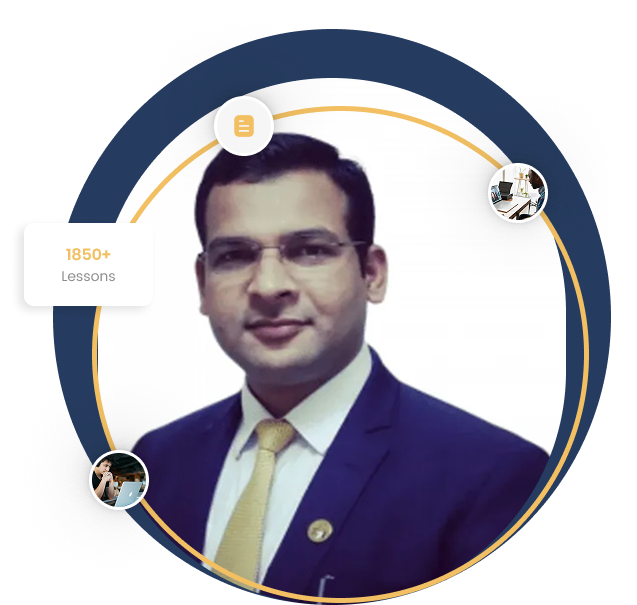
Mr Ahmed Khan
Head of training and development
in
english & OET Master Coach
Lorem ipsum dolor sit amet, consectetur adipiscing elit. Ut elit tellus, luctus nec ullamcorper mattis, pulvinar dapibus leo.
Lorem ipsum dolor sit amet, consectetur adipiscing elit. Ut elit tellus, luctus nec ullamcorper mattis, pulvinar dapibus leo.
Lorem ipsum dolor sit amet, consectetur adipiscing elit. Ut elit tellus, luctus nec ullamcorper mattis, pulvinar dapibus leo.
Supporting Your Career Growth with our Professional Courses
Enhance your professional growth by enrolling in certified courses at Al Manal Training Center, one of the leading training centers in Abu Dhabi, with expert instructors and hands-on labs.
Professional Credentials
Strengthen professional credentials in IT and cybersecurity
Expert Guidance
Access guidance from experienced instructors and lab exercises
Job Readiness
Enhance employability with a globally recognized certification
Read Firsthand Students’ Experiences



Your Questions, Our Answers
What is the CompTIA Security plus Course?
Who should enroll in this course?
Why is CompTIA Security+ important?
Does the course prepare for certification exams?
What topics are covered in the course?
Will I receive guidance from instructors?
Are there mock tests available?
How will this course improve my career?
How are the classes conducted?
Does this course include exam tips?
Does this course cover the latest trends in cybersecurity?
How intensive is the course workload?
Can Security+ help me in different industries?
How is the Security+ exam structured?
Boost Your Skills and Get Exclusive Learning Benefits
Enroll today and build hands-on skills, learn from experienced instructors, and prepare for a globally recognized certification that opens doors to rewarding cybersecurity careers.