
Mastering Data Interpretation with Python
Improve your Career Prospects with Al Manal Training Center
Get In Touch
Building a foundation in Python
Using key analytical libraries
Cleaning and preparing data
Creating clear data visualizations
What You Will Learn in Our Program

Our data analysis using Python course is structured to take you from basic concepts to confident application.
- You will understand the core principles of the Python programming language and its applications in data tasks.
- We will guide you through using popular libraries, such as Pandas and NumPy, to manage and manipulate datasets efficiently.
- The program teaches you to find stories within data by creating insightful charts and graphs.
01.Key Features of the Course
- Practical hands-on projects
- Guidance from experienced instructors
- Career-focused curriculum
02. Who is this Course For?
- Business and finance analysts
- Marketing professionals
- Career changers and students



Key Advantages of the Data Analysis Program
Our data analytics with Python course is designed to give learners hands-on experience and practical expertise in Abu Dhabi. Students receive support from expert instructors who guide them through projects and exercises. With a focus on skill-building, participants can confidently handle data tasks in professional settings. The course includes access to sample datasets, interactive coding sessions, and personalized feedback on assignments to improve understanding and performance. Learners also gain knowledge recognized by local businesses and organizations, preparing them for real-world data challenges and career growth opportunities.

Who Should Attend this Program
In this data analysis using Python course, you will receive guidance from experienced instructors as you learn Python programming, data cleaning, and visualization techniques.
- Beginner programmers can build a strong foundation
- Business professionals can automate reporting tasks efficiently
- Analysts can improve their data interpretation skills accurately
Gain Practical Skills with Python Data Analytics
Join our data analysis with Python course to access flexible schedules, expert guidance, hands-on projects, and networking opportunities. Build confidence, solve real-world data problems, and prepare for professional analytics roles effectively.

Flexible Schedule Options
Our data analysis with Python course offers weekday, weekend, and evening sessions, giving students the flexibility to learn around their busy schedules.

Personalized Learning Support
Instructors provide prompt answers, guidance on assignments, and hands-on practice exercises, ensuring each student gains confidence and improves Python skills efficiently.

Networking and Collaboration
Connect with fellow learners, participate in group discussions, and receive practical career advice to build professional relationships and expand knowledge.

Hands-On Projects
Work on real datasets, present analytical findings, and implement Python scripts to gain practical experience and prepare for professional analytics tasks.
Course Curriculum Overview
Python Basics and Setup
In this module, learners get a thorough introduction to Python programming. You will start by understanding Python syntax, variables, data types, and operators, and learn how to write clean and efficient code. The course covers setting up your Python environment, using IDEs effectively, and running scripts confidently. Hands-on exercises include writing small programs, performing calculations, and managing input and output.
These practical tasks ensure you build a solid foundation before moving to advanced topics. By the end of this section, you will feel confident in Python basics and ready to handle data-focused programming tasks.
Data Manipulation and Cleaning
This module focuses on preparing datasets for analysis using powerful Python libraries, such as Pandas and NumPy. You will learn techniques for cleaning messy data, handling missing values, filtering records, and combining multiple datasets. Practical exercises include reformatting data, normalizing entries, and creating structured data frames for analysis and interpretation. Real-world datasets help you practice skills that are directly applicable to business and research projects.
By mastering data manipulation, you will be able to efficiently transform raw data into a format suitable for analysis, giving you the confidence to work on larger and more complex datasets professionally.
Data Visualization Techniques
In this section, you will learn how to transform raw data into meaningful visual insights using Matplotlib and Seaborn. The module covers creating line charts, bar graphs, scatter plots, and heatmaps, helping you present trends clearly and effectively. You will practice customizing visualizations, adding labels, titles, and color schemes, and making graphs easy to interpret and understand. Exercises include analyzing datasets and presenting findings visually, making your reports more effective and engaging.
By the end of this module, you will realize which visualization types best fit different datasets and gain the ability to build professional-quality charts and dashboards that support business or research decision-making.
Advanced Analytics and Reporting
This advanced module introduces statistical analysis, aggregation techniques, and predictive modeling using Python. You will learn to apply functions for summarizing data, performing group analysis, and calculating metrics. The course covers building predictive models, interpreting results, and generating automated business reports. Practical exercises include designing dashboards, visual summaries, and actionable insights from real datasets.
You will also learn best practices for sharing findings with stakeholders, making data-driven recommendations, and improving workflow efficiency. Completing this module prepares you to tackle complex data analysis tasks confidently, making you a proficient Python user for analytics and reporting projects.
Course Instructors
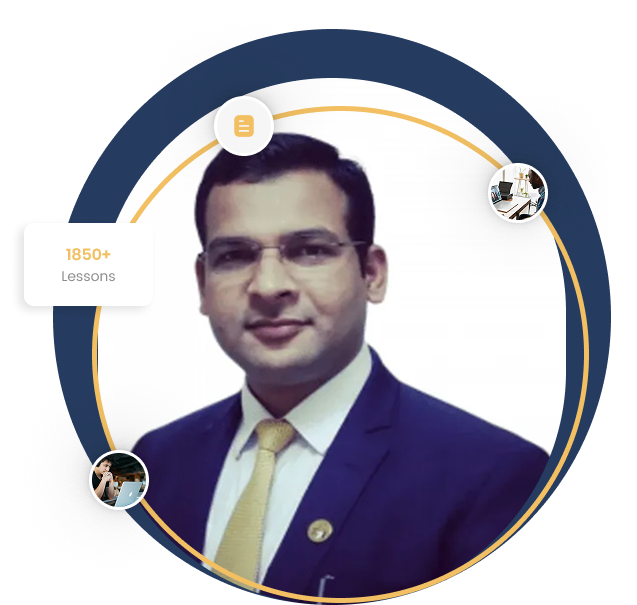
Mr Ahmed Khan
Head of training and development
in
english & OET Master Coach
Lorem ipsum dolor sit amet, consectetur adipiscing elit. Ut elit tellus, luctus nec ullamcorper mattis, pulvinar dapibus leo.
Lorem ipsum dolor sit amet, consectetur adipiscing elit. Ut elit tellus, luctus nec ullamcorper mattis, pulvinar dapibus leo.
Lorem ipsum dolor sit amet, consectetur adipiscing elit. Ut elit tellus, luctus nec ullamcorper mattis, pulvinar dapibus leo.
Join Our Python Data Analytics Program
We are proud to support the professional community by offering this and other valuable diploma courses in Abu Dhabi.
Skill Growth
Develop expertise in Python analytics applicable across multiple industries effectively.
Data Mastery
Enhance your ability to make accurate, data-driven decisions professionally.
Career Opportunities
Open new doors in the growing field of data analytics confidently.
Stories from our Students


Your Questions, Our Answers
What is Data Analysis?
Why is Data Analysis important today?
What is Python’s role in data analysis?
What is Advanced Excel used for in data analysis?
What is Power BI?
How does Power BI differ from Excel?
Who should learn Data Analysis using Python, Excel, and Power BI?
What industries use Data Analysis?
What programming libraries are important for data analysis using Python?
How is the Data Analysis course structured at Al Manal Training Center?
What makes Al Manal Training Center a trusted choice for Data Analysis training?
What job roles can I pursue after completing this course?
What study materials are provided during training?
What if I need help understanding a topic during training?
How can I enroll in the Data Analytics with Python course?
Your Path to Professional Growth Starts Here
We are proud to be recognized as a leading provider among the top training institutes in Abu Dhabi. Contact us today to disco.ver more about our programs and how we can assist you in achieving your career objectives